
“We start by getting to know the person”
When someone is referred into our wellbeing programme, our first step is always to really get to know them. We talk about what they enjoy, their home life, and what matters most to them, as well as how their condition is affecting them day to day.
It’s about seeing the whole person, not just the diagnosis. That helps us tailor support that can adapt as things change.
Finding the right support
The patient, a woman in her early 50s diagnosed with Bulbar MND, first came to Keech two years ago. Initially, she accessed a range of support including circuit group sessions, art therapy and other wellbeing activities.
She was keen to explore hydrotherapy, so an individual assessment was carried out to make sure it was safe and appropriate for her. Following this, she joined one of Keech’s hydrotherapy pool group sessions.
The benefits of the pool
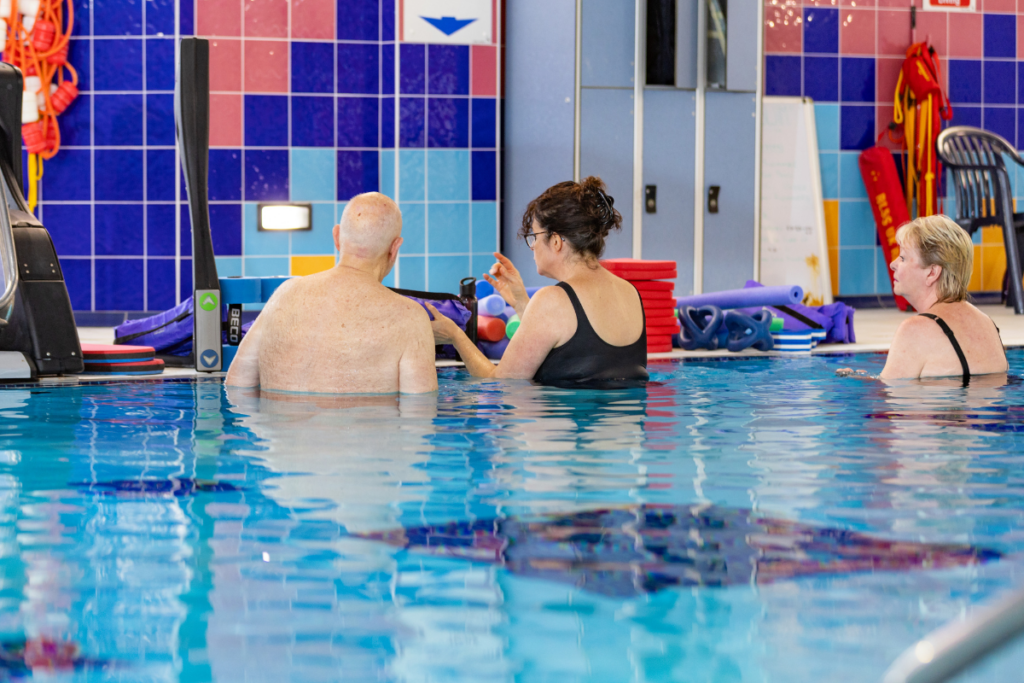
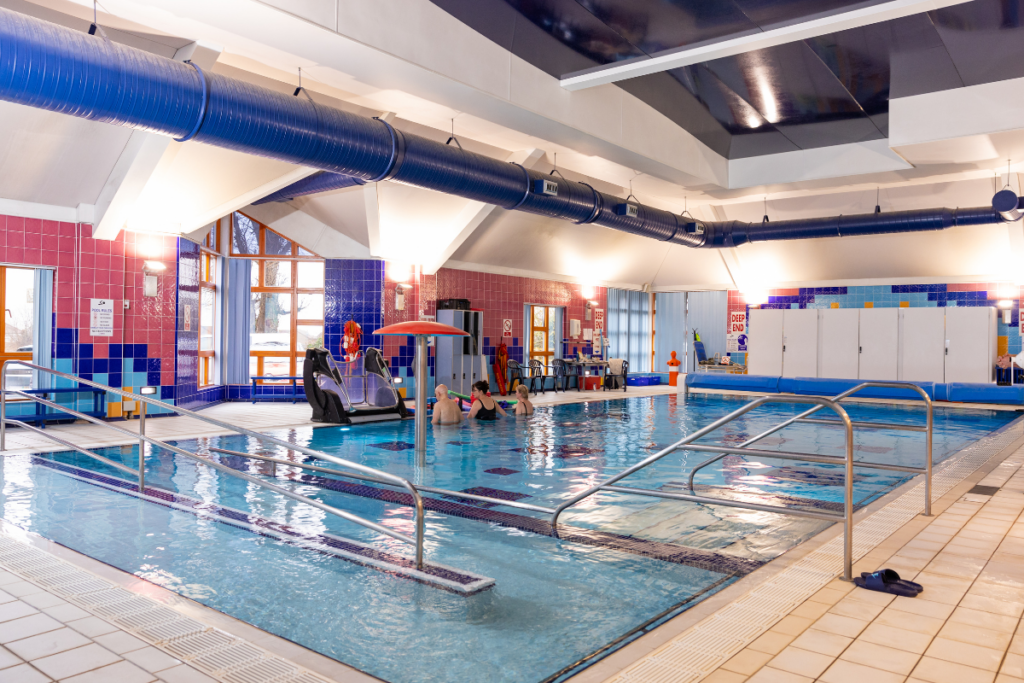
The pool sessions bring together people with a variety of conditions, creating a relaxed and supportive environment. For many patients, the water offers a sense of freedom, movement can feel easier, less restricted and more comfortable.
During one session, she met another patient living with MND and they formed a friendship naturally. They now stay after sessions for coffee and a chat, something that shows how important connection and peer support can be.
Adapting support as needs change
Our group programmes are designed to support as many patients as possible, with regular reviews to ensure ongoing needs are met. After a set of 8 sessions, patients are reviewed and may be signposted to other Keech activities or community support.
As her condition has progressed, we’ve adapted her support, from exercises to help manage muscle weakness to encouraging her to re-join circuit sessions when her mobility changed. Because she enjoys hiking in the Lake District, I also suggested trying walking poles to support her on more uneven or rugged terrain.
Maintaining independence and wellbeing
For many people, the pool remains an important part of managing symptoms. Even as physical ability changes, being in the water can support movement, comfort and confidence.
My role is to make sure patients can continue accessing this safely, reviewing them regularly and adapting support as needed.
More than therapy
Beyond the physical benefits, this patient has built friendships, grown in confidence and found a renewed sense of purpose.
She now volunteers at Keech, showing that with the right support, people can continue to live well and give back in meaningful ways.
“For many patients, being in the water gives them a sense of freedom.”