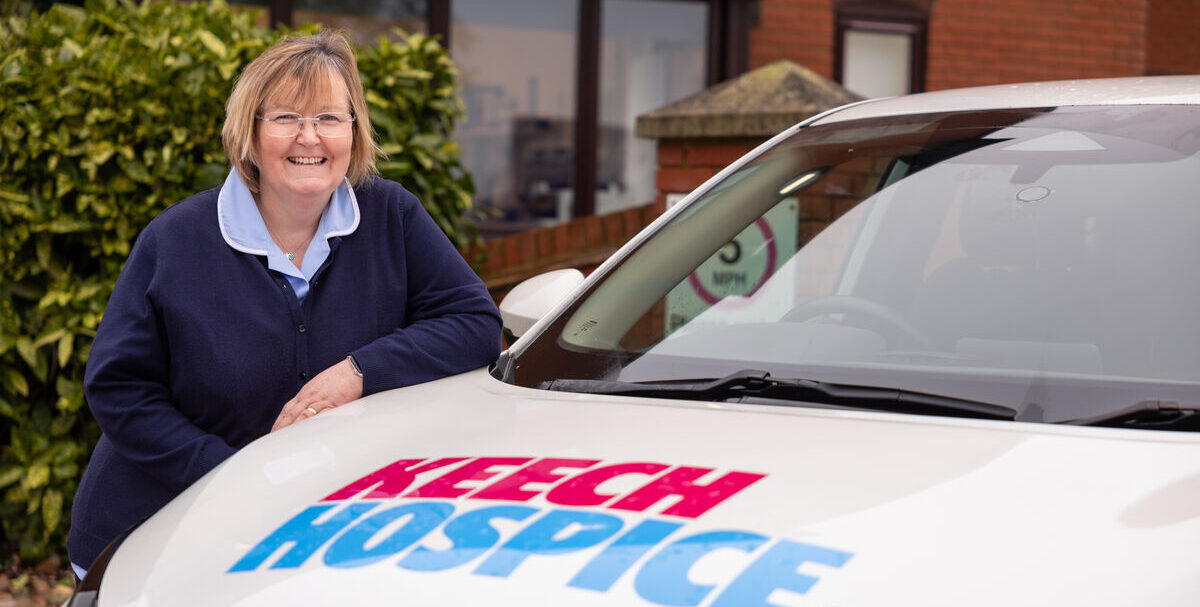
Adults living with life‑limiting conditions in Bedfordshire are benefiting from more responsive, coordinated and compassionate care thanks to a collaborative partnership between Keech Hospice, Sue Ryder St John’s Hospice and the NHS, supported by The Connolly Foundation.
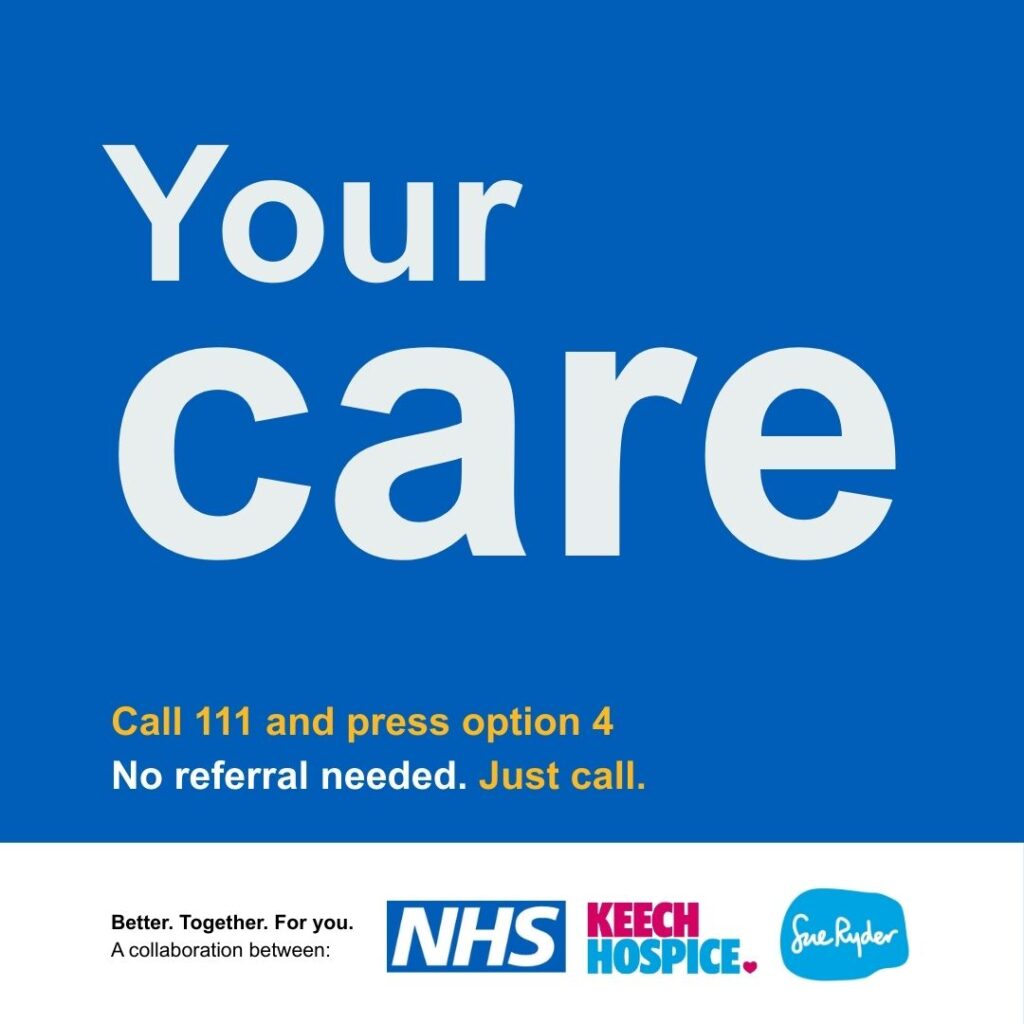
Six months on from the launch of The Bedfordshire Palliative Coordination Service, 1,260 patients have been referred to the new simple point of access service, which provides 24 hours a day, seven days a week access to expert palliative advice and support via NHS 111 (Option 4), with 1,550 calls being received by the team per month.
The new provision which launched on 1 December 2025 and is being part funded by The Connolly Foundation, is strengthening support for patients, their families and healthcare professionals ensuring people can access the care quickly when it is needed most. This includes a palliative paramedic provision, helping to ensure more patients can receive timely, specialist care in their own homes and in moments of urgent need.
The service offers:
- Immediate advice, guidance and reassurance
- Symptom management support (e.g. pain, breathlessness, distress)
- Emotional, practical and nursing support at home, including at end of life
- Support with advance care planning, helping people make informed choices about their care
- Signposting and coordination across services
The service enables patients to access appropriate support, whether planned care or responding to sudden changes in their condition.

Delivered through a shared digital platform, the partnership brings together Keech Hospice, Sue Ryder St John’s Hospice and the NHS to coordinate care more effectively, ensuring patients and families experience seamless, joined‑up support across Bedfordshire.
This approach is helping more people with currently 1,985 patients being supported by the team to remain in their preferred place of care, reducing unnecessary hospital visits and providing reassurance to families during what can be an incredibly challenging time.
A Palliative Care Clinical Paramedic Specialist at Keech said: “We’re often supporting patients with complex and rapidly changing needs, so having immediate access to coordinated palliative care is critical. This service enables us to assess, manage symptoms and connect people to the right support quickly, helping them remain in their preferred place of care wherever possible and ensuring they feel supported at every stage.”
Allison Mann, Regional Director of Healthcare Operations – East of England at Sue Ryder, said: “We’re incredibly grateful to The Connolly Foundation for their support in helping strengthen this vital service for people across Bedfordshire. Thanks to this funding, we can provide more expert and compassionate care to more people – whether that’s advice on living well with a life-limiting illness, help with making a referral, or connecting people to the right healthcare professional. This support is ensuring people can make a more informed decision about their care and future.”
Alongside the new collaborative support service, Sue Ryder provides expert and compassionate palliative care in its hospices and in people’s own homes, as well as bereavement support for families when they need it most.
The Bedfordshire Palliative Coordination Service is available to:
- Adults living with a life‑limiting condition
- Families, carers and friends seeking advice and reassurance
- Health and care professionals supporting patients
By creating a single access point through NHS 111, the partnership is making palliative care more accessible, more coordinated, and focused on helping people live well with a life‑limiting illness, including at end of life.
Frequently Asked Questions
Who can call NHS 111 option 4?
- Patients aged 18 or over living in Bedfordshire with a life-limiting condition
- Family members, carers or friends calling about someone who needs palliative support
- Any health or social-care professionals including GPs, district nurses, staff in care or nursing homes or other care providers can call on behalf a patient too
If you are not registered with Sue Ryder St John’s Hospice, Keech or supported by a palliative care team you can still call!
When should you call?
Palliative care is about more than end-of-life. It’s about living well, with comfort, choice, and support, while planning for what matters most.
You should consider calling NHS 111 Option 4 when:
- You, or the person you are caring for has a life-limiting or serious progressive illness for advice and support on how to live well and in comfort. You don’t have to be in the final weeks of life.
You need specialist advice or support to manage your symptoms. This could be pain, breathlessness, nausea, distress, or other symptoms. You can call if you need help with emotional, psychological, social, or practical issues too - You or your carer are unsure what kind of care or support you need, or need guidance on what services are available to you locally, including hospice care, community nursing, home care, or making a referrals. We can signpost you, give advice, or even help to arrange a referral.
- If it’s out-of-hours, for example in the evening, at night, over a weekend or during a bank holiday. If you regular GP surgery or community service is not available, NHS 111 Option 4 is just one call away and operates 24/7.
- You need help with ‘non-emergency but serious needs’. For example crisis support for you or a carer, or help arranging care so that you don’t have to go to hospital.
What should I expect when I call NHS 111 Option 4?
When you Dial NHS 111, you will be given a list of menu options.
For palliative or end-of-life care support, select option 4 for palliative care.
You will be connected directly to a palliative care professional and they will:
• Assess your needs
• Give advice
• Signpost you to services who can help
• Coordinate any care you might need
• Make a referral to a service to support you, if needed.
Sometimes, in very busy periods our team can’t immediately take your call in which case you will be transferred to 111 who will support you or connect you back to us as soon as a line is free.
Remember, our team is available 24/7 so you can call at any time.
You don’t need to have to be receiving care from a health professional or one of our local hospices either.
What support can NHS 111 Option 4 offer?
When you call, the expert team can help with:
- Advice on managing symptoms like pain, breathlessness, nausea or anxiety
- Emotional, psychological, social support and guidance for you or someone caring for you.
- Help with planning and coordinating your care, putting you in touch with hospices like Sue Ryder St John’s Hospice just outside Bedford or Keech in Luton, other services, or arranging referrals.
- Support for crisis or urgent palliative-care needs over night or out of hours
- Support if you or someone you care for is experiencing sudden deterioration to try to keep the person safe at home
When shouldn’t I call?
The Palliative Care Coordination phone line can support with non-emergency needs, advice, comfort, home support and planning.
Do not call NHS 111 Option 4 if:
- You have a life-threatening emergency including severe injury, chest pain or stroke. You should call 999 instead.
- If the person doesn’t have a life-limiting or progressive illness, or doesn’t need palliative-type support. You should call NHS 111 general advice line instead.