At Keech Hospice, stories are at the heart of our fundraising. They help supporters understand the dignity, comfort and compassion we provide for adults, children and families facing life-limiting illness.
It costs £26,000 a day to run our services, and 70% of that comes from donations. Real stories help people see the difference their support makes.
Emotion not facts inspire people to give
A story that makes people feel something is more likely to inspire them to donate. A story about one person or one family is more relatable than a story about hundreds.
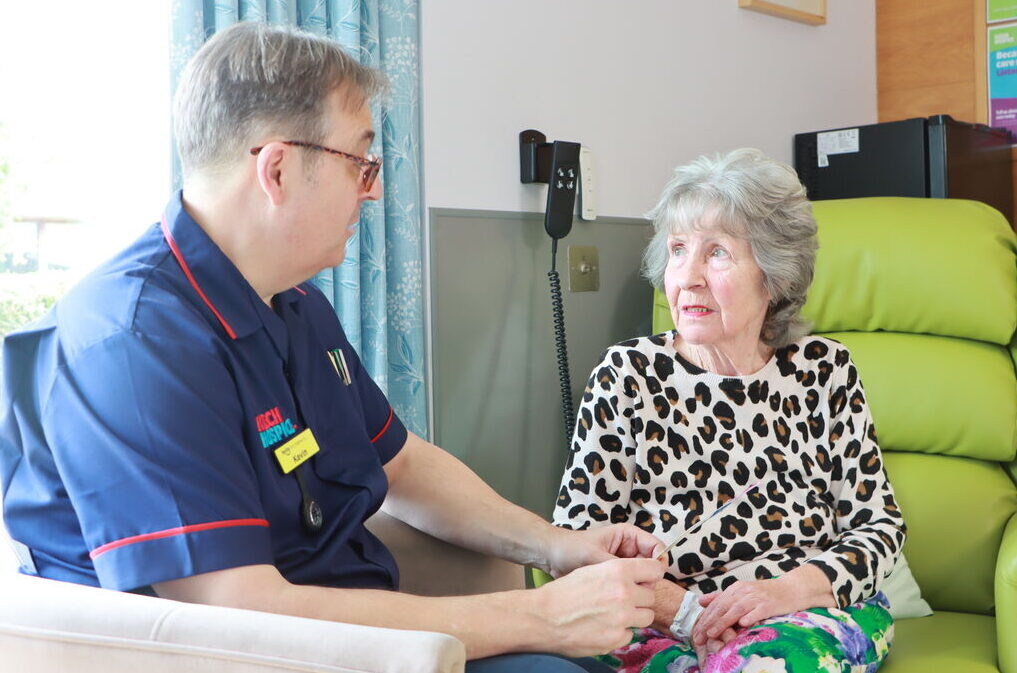
Personal narratives help humanise what hospice care really means. They show supporters that care is not just about clinical interventions, but about dignity, comfort, and moments of normality during extraordinarily difficult times.
The ethical balance
We know these stories belong to people going through grief, trauma or the anticipation of loss. That’s why families always tell their story in their own words, and only if they want to.
Not everyone is ready to share, and we fully respect that. Our care teams help us understand who might feel comfortable and who may find meaning in speaking about their experience. When we approach someone, we explain who we are, why stories matter, and make it clear there’s no expectation. They can say no, pause at any time, or choose someone else to speak on their behalf.
For those who do want to share, the conversation often flows naturally — many have simply been waiting for the right moment to tell their story.
Why families choose to share
One of the misconceptions about case studies is that families only share because the charity asks. In reality, many people want their loved one’s experience to matter beyond their own family. Sharing a story can give families a voice, help keep the memory of a loved one alive and allow something positive to come from an incredibly painful time.
We spoke recently to a woman who is a palliative care nurse. Her husband is receiving palliative care for cancer. She understands both sides — the clinical and the personal. For her, sharing their story is a way of advocating for better understanding of hospice care.
For fundraisers, recognising this motivation is crucial. We are not “taking” stories; we are offering a platform but only when it feels right for the person involved.
How we work with families
We make it very clear that what people share is confidential. We explain how their story might be used, whether that’s in a winter appeal, a remembrance campaign, or a match-funded appeal such as the Big Give, and which platforms it will appear on.
The story is always played back to them. They see everything before it’s shared publicly and have full control to change wording, remove details or withdraw entirely. This step reassures families they are being represented accurately and respectfully, and it builds long-term trust.
We also explain why stories matter so much to us. Without real-life experiences, our work can feel invisible. Stories don’t just drive donations; they encourage self-referrals, inspire volunteers, attract staff and help people understand what hospice care really looks like.
Case studies as fundraising assets
We are very intentional about how and where we use stories and use the case studies that best fit the purpose, while ensuring family consent.
Take our Big Give Appeal, which we run annually in December and always tie in with a patient’s story. One year, we led the Big Give with the story of a 17-year-old patient who’d received a terminal cancer diagnosis. She was an inspirational powerhouse and within 3 days of the appeal going live, we exceeded our fundraising target, raising over £31k from 135 donations.
We also reached 19,000 people through organic social media activity and, through an email sent to existing supporters, achieved a 61% open rate with 28 confirmed donations. Our paid digital ads, placed with a modest budget of £500, were seen over 66,000 times, helping to raise awareness of our cause.
In our 2025 Big Give Appeal, we led with the story of patient Joyce. Told through her son’s perspective, it offered a first-hand account of her final weeks and the support Keech provided. This was paired with a clear financial target — raising £42,000 through match funding. The urgency of doubling donations, combined with a deeply personal narrative, helped supporters understand the emotional and practical impact of their gift.
Stories to broaden perceptions of our service
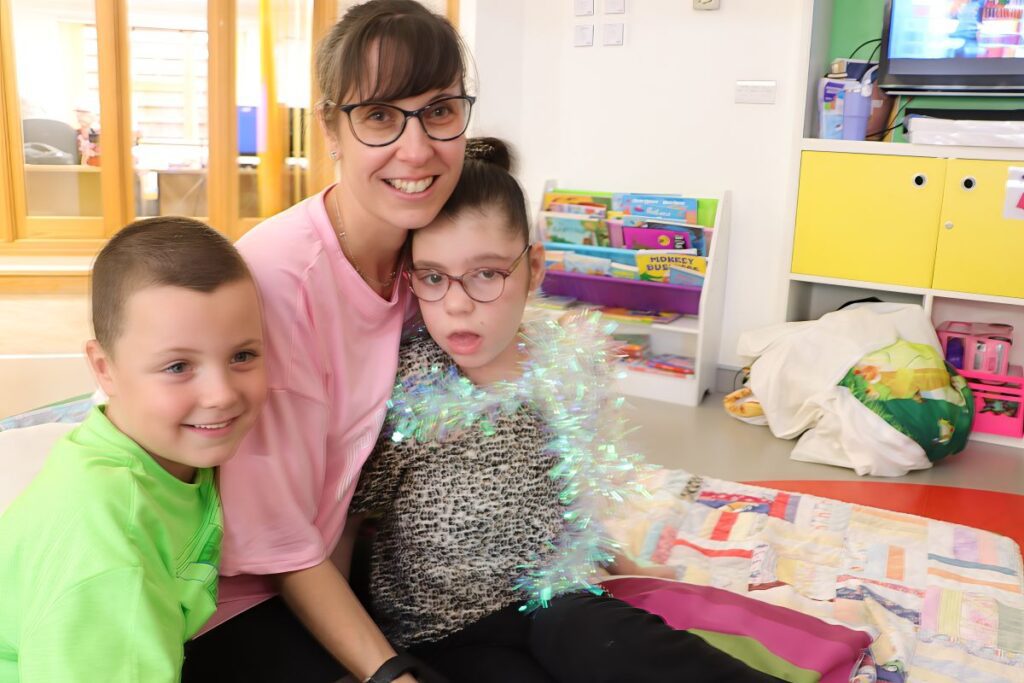
The story of young patient Lily told from her mum’s perspective focuses on short breaks and family support for a child with complex needs. It shows that hospice care is not only about end-of-life, but about living well: supporting siblings, parental respite, and creating moments of joy. For fundraisers, this kind of story is invaluable in challenging outdated assumptions and engaging new audiences.
Linking story to income and impact
When paired with clear impact, stories build trust and motivate giving.
Supporters know that:
- 89p of every £1 goes directly to care
- Donations fund thousands of vital services each year — from home visits to rehabilitation sessions to advice calls
Stories help donors see the lives behind these numbers.
For us at Keech, that connection is what enables everything else.
Related content
Our new Luton homeware shop
Posted 18 March 2026
The power of love and care
Posted 2 February 2026
Solar panel thank you event
Posted 30 January 2026

Keech Hospice becomes a University Hospice
Posted 19 January 2026
New year, new hope
Posted 12 January 2026

New Year. New Challenge. Real Impact.
Posted 5 January 2026
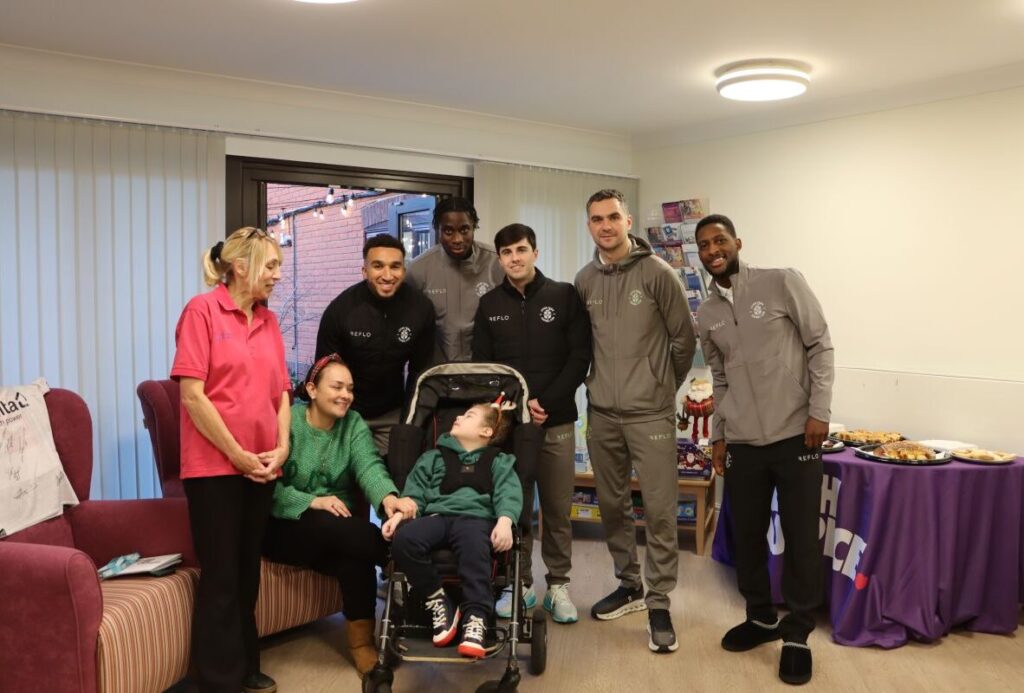
Hatters celebrate for Keech Hospice
Posted 15 December 2025
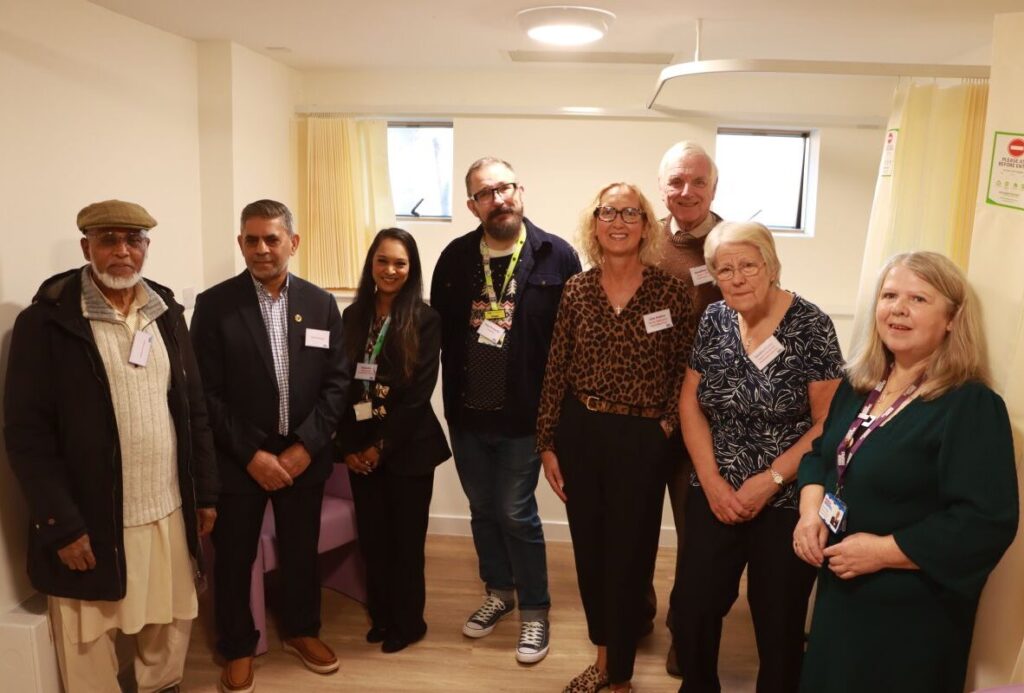
Multi-Faith Prayer Room
Posted 11 December 2025
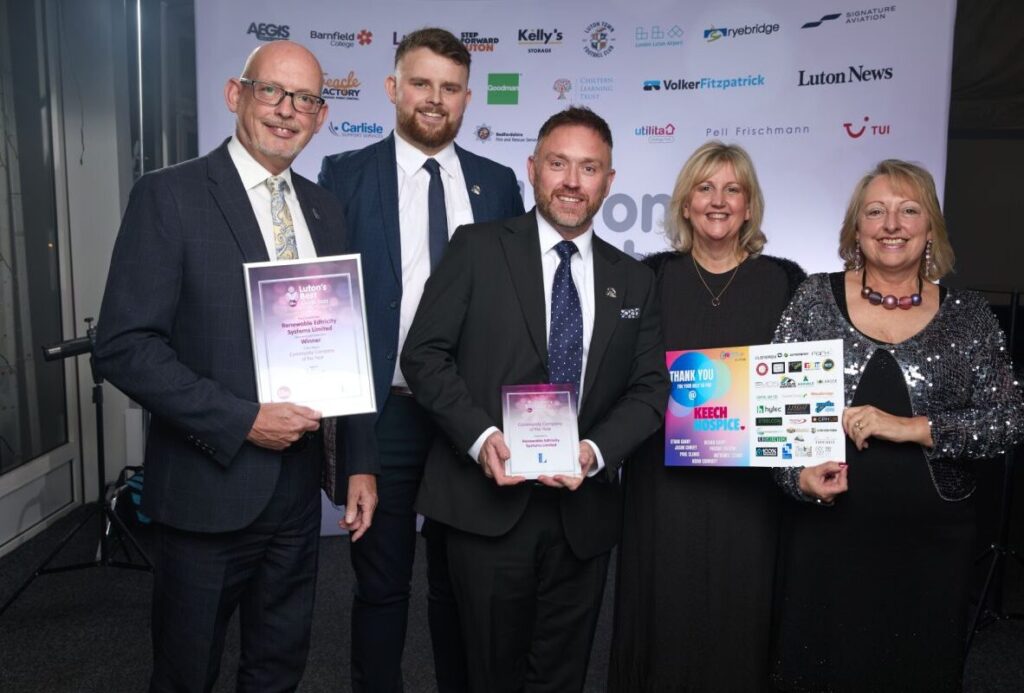
Award-winning solar project saves hospice £50K
Posted 10 December 2025
Bedfordshire’s new palliative care support line
Posted 28 November 2025
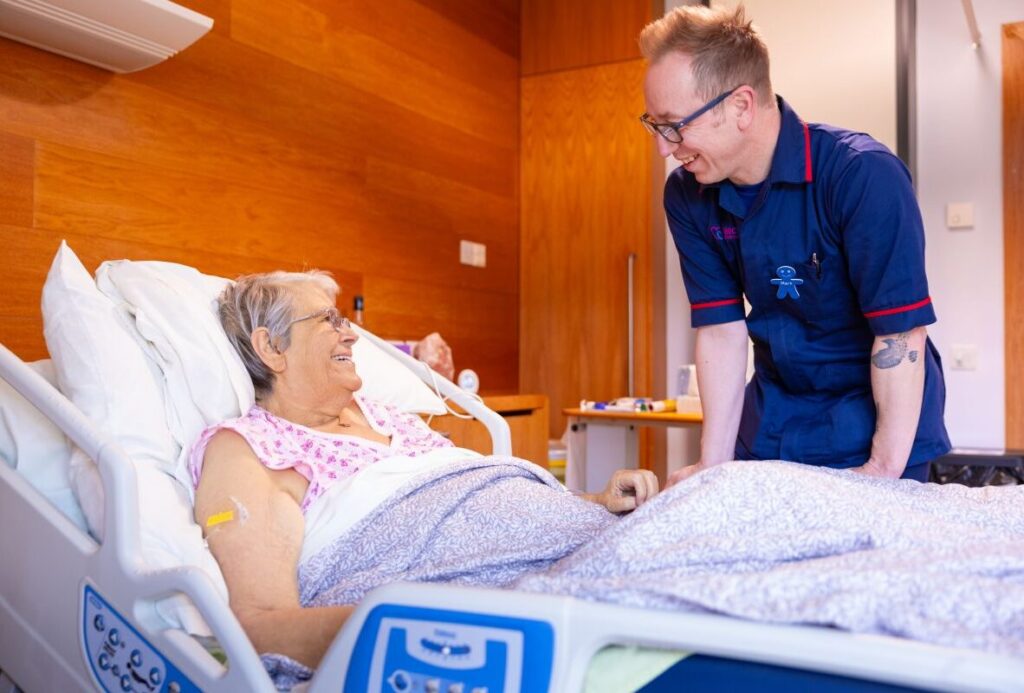
Big Give Christmas Appeal
Posted 18 November 2025
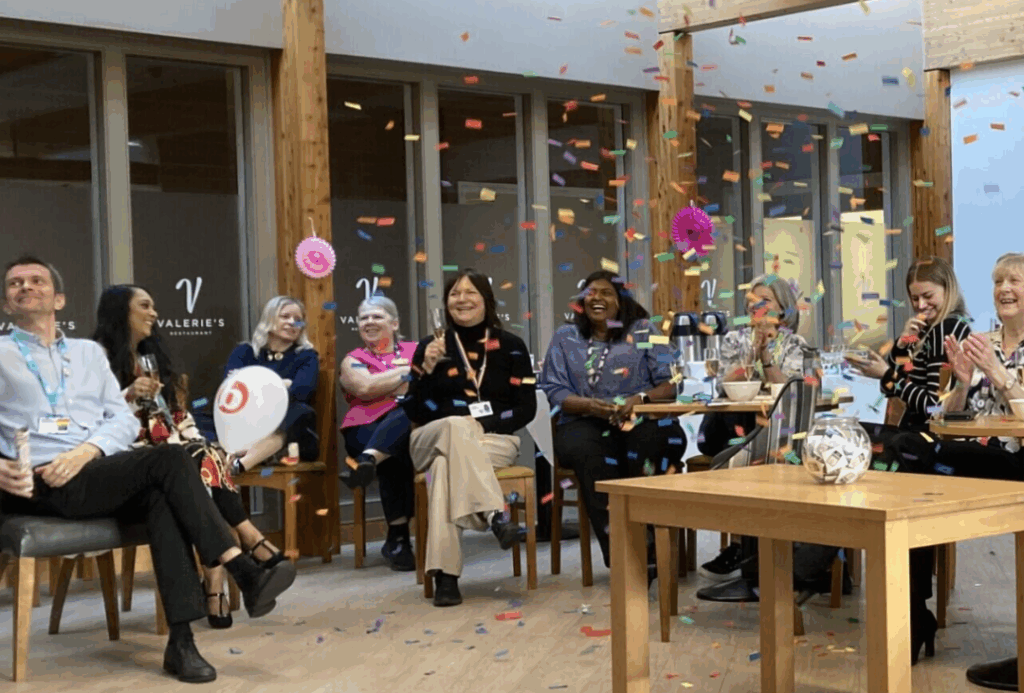
Keech celebrates ‘Outstanding Workplace’ recognition
Posted 14 November 2025
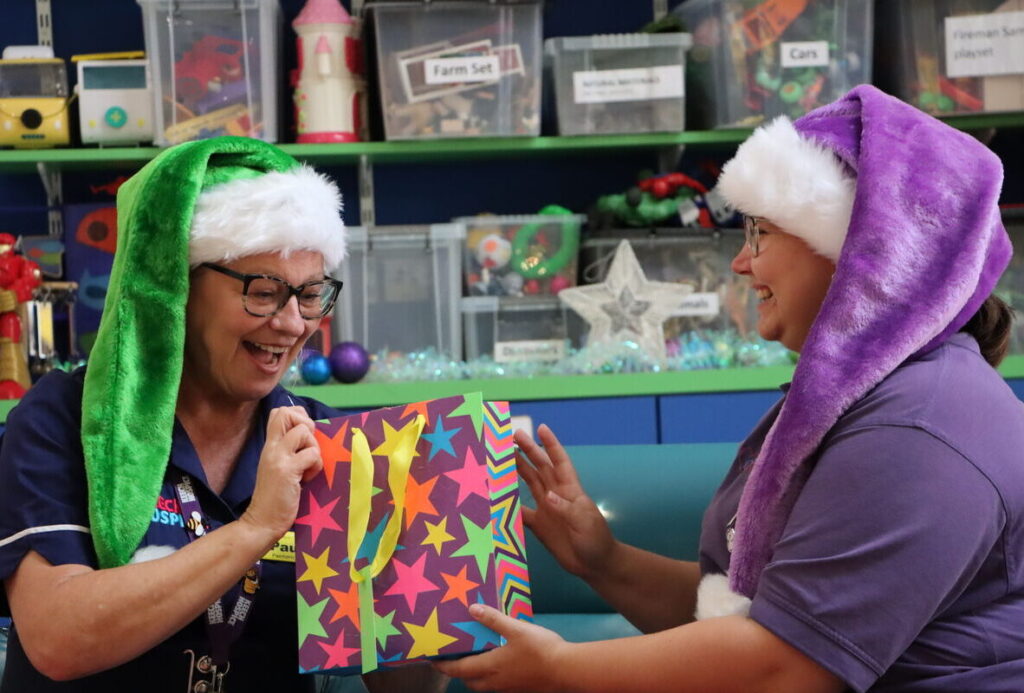
Wrap families in care this Black Friday
Posted 29 October 2025
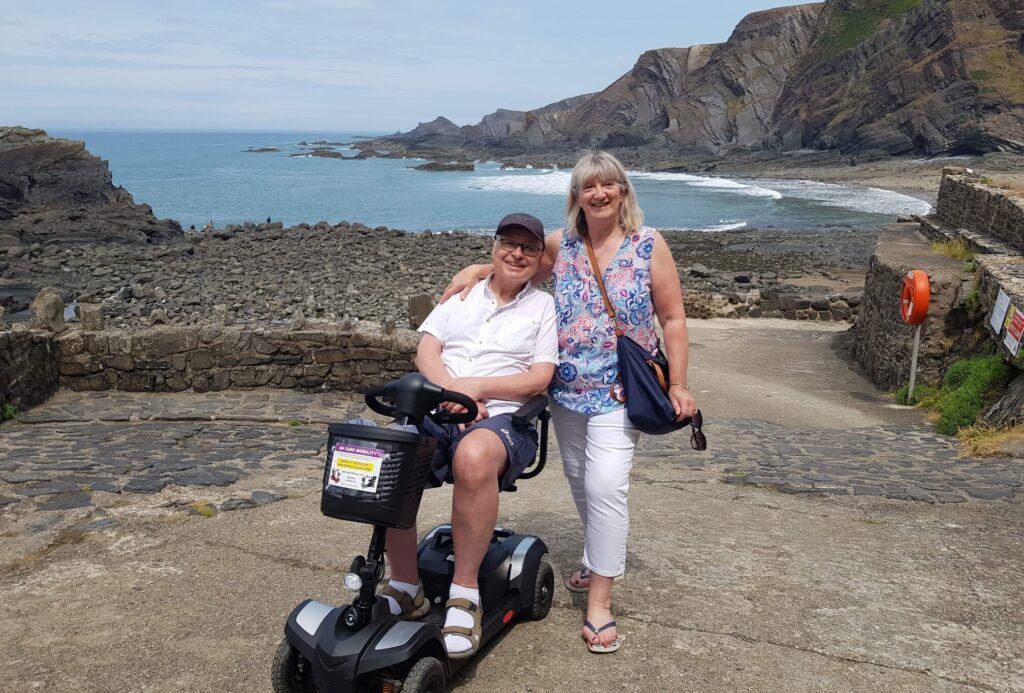
Living Fully – How early OT support transformed David’s journey
Posted 27 October 2025
Wrap a family in care
Posted 2 October 2025
Keech Hospice and University of Bedfordshire Partnership
Posted 2 October 2025

New Keech Hospice Trustees
Posted 2 October 2025
Disability Confident Leader
Posted 29 September 2025

Legacy Press Release
Posted 26 September 2025

Cash4Coins
Posted 31 July 2025

Honouring the love that lives on
Posted 1 July 2025
The Importance of Remembering
Posted 25 June 2025

Reflections from Liz Searle, CEO at Keech Hospice
Posted 24 June 2025
Children’s Hospice Week 2025
Posted 12 June 2025
Volunteers Week 2025 thank you
Posted 3 June 2025
Volunteers Week 2025
Posted 27 May 2025
Charity Solar Panel Installation
Posted 14 May 2025
Dying Matters Awareness Week
Posted 30 April 2025
Keech Hospice and University of Bedfordshire Partnership
Posted 23 April 2025

Blood Donation Awareness
Posted 1 April 2025

Running in memory of loved ones
Posted 31 March 2025
Congratulations to Keech apprenticeship Kaval
Posted 20 March 2025
International Women’s Day
Posted 6 March 2025

Ramadan
Posted 28 February 2025
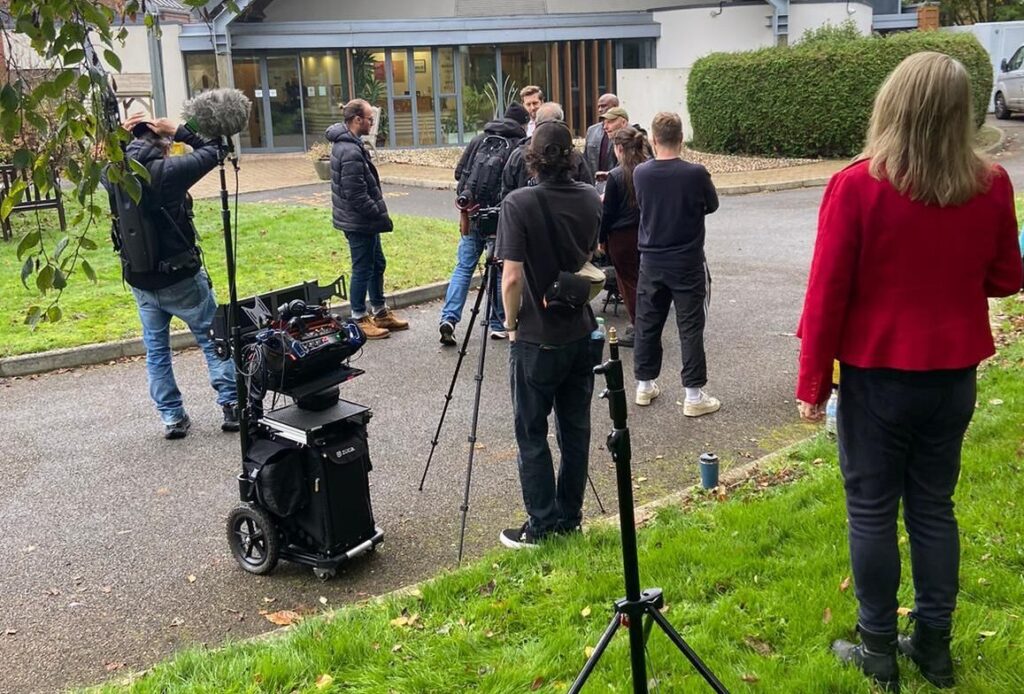
Legacy Behind the Scenes
Posted 19 February 2025
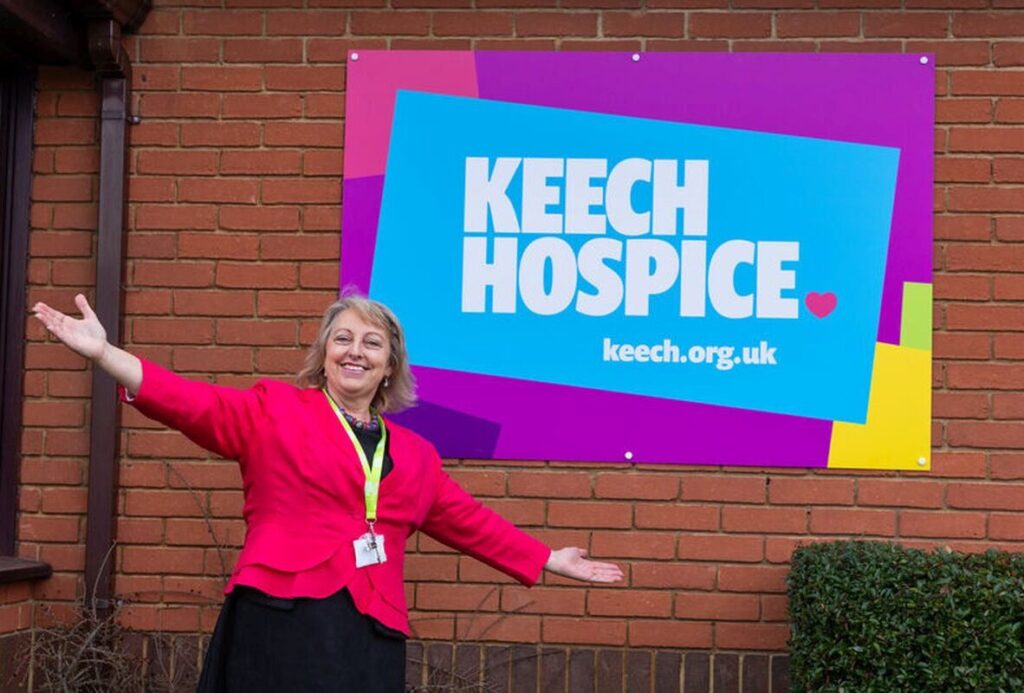
Brand Refresh
Posted 11 February 2025
Finalist in Luton’s Best award in the Best Volunteer category
Posted 27 January 2025
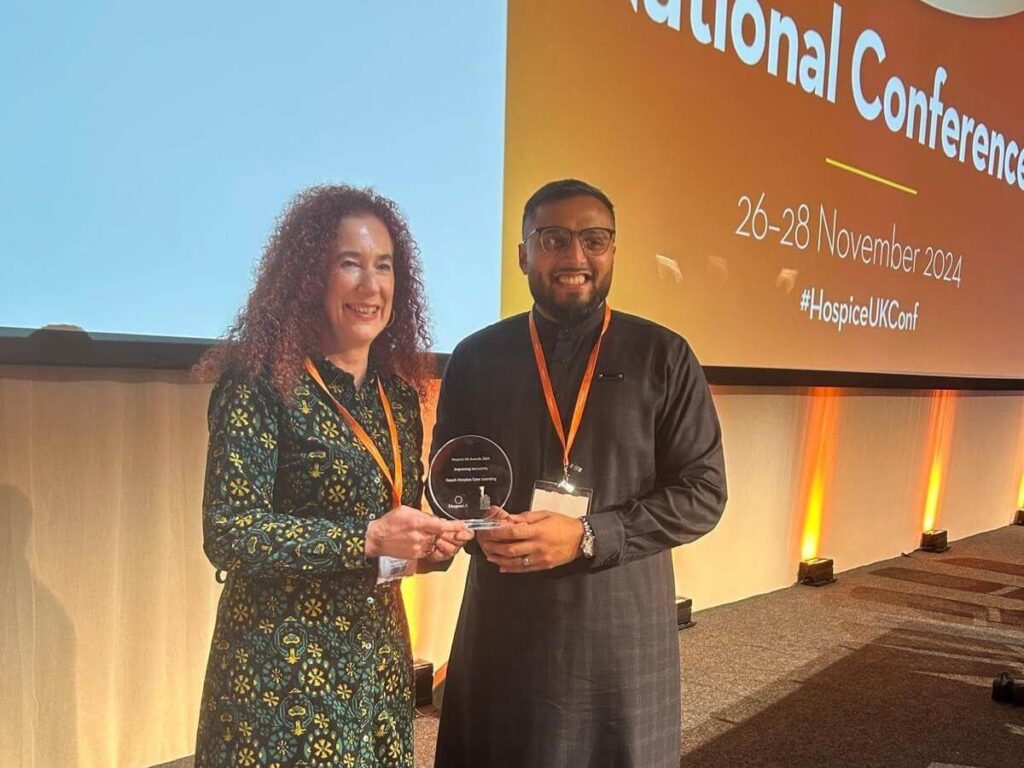
Keech wins Hospice UK inclusivity award!
Posted 28 November 2024
Keech communications team wins national award
Posted 18 October 2024
Bedford’s Living Well Centre now supporting more patients through enhanced services
Posted 7 October 2024

Palliative Care for Every Colour of the Rainbow
Posted 10 June 2024

Can you help Keech Mum make ball a success?
Posted 20 May 2024

How to talk to loved ones about death and dying
Posted 3 May 2024

Supporting a colleague returning to work after a bereavement
Posted 3 May 2024

The D word!
Posted 3 May 2024
Pam appears in Prima
Posted 5 March 2024
Keech to feature on new Luton Monopoly board
Posted 1 March 2024
Smiley Sam retires after 25 years…and Smiley Sam Jnr takes the reins
Posted 23 November 2023

What happens to our digital memories when we die?
Posted 19 October 2023

Charity golf day at Centurion Club raises £30k for Keech Hospice Care
Posted 19 October 2023

Our hydrotherapy pool facilities are set for a makeover
Posted 18 October 2023
Bedford Daycare Hospice merges with Keech Hospice Care
Posted 6 June 2023

The death of Her Majesty, The Queen
Posted 8 September 2022

Death sparks care team to become overnight internet sensations
Posted 3 May 2022

Top 10 best ways to die
Posted 26 April 2022
Dennis Keech OBE, benefactor of Keech, dies
Posted 20 January 2022
Dr Justin Amery, doctor at Keech Hospice Care, dies
Posted 29 July 2021
Keech Hospice Care’s Big Trunk Trail is here
Posted 7 July 2021

Hospice calls for your memories in anniversary year
Posted 9 June 2021

Keech elephants visit relatives at ZSL Whipsnade
Posted 19 May 2021

High-profile local ambassadors come together
Posted 27 April 2021

Elephant herd sighted in Luton
Posted 20 April 2021
Hospice launches first urgent appeal in 30-year history
Posted 22 February 2021

A once-in-a-lifetime chance to design for Nadiya
Posted 9 February 2021
Visiting patients during Covid-19 – January 2021
Posted 13 January 2021

Patient services update for Covid-19 – January 2021
Posted 13 January 2021
Visitor Covid-19 testing update – January 2021
Posted 13 January 2021